The Best Time to Visit Puerto Vallarta: A Month-by-Month Season Guide
High season is dry, perfect and expensive. Rainy season is green, cheap and humid. Between them sit two shoulder months almost nobody books. A month-by-month guide to weather, rates, whales, surf and crowds in Puerto Vallarta and Banderas Bay.
Ask ten people when to visit Puerto Vallarta and nine will say "winter". They are not wrong, and they are also describing the most crowded and most expensive version of this place.
Banderas Bay has two real seasons and two shoulder months, and the difference between them is not marginal — it is a 30°C dry morning in February versus a 33°C humid afternoon in August, and a rate card that can differ by half. Here is the whole year, honestly.
The two seasons in one paragraph
Dry season, November to May: almost no rain, low humidity, daytime highs in the high twenties to low thirties, evenings that cool off. This is high season, it is why the snowbirds come, and it is priced accordingly.
Rainy season, June to October: hot and humid, with rain that usually arrives in the late afternoon or overnight rather than all day. The jungle turns spectacular, the rivers run, the sea is warmest, and rates drop hard. September is the wettest, quietest month of the year.
Month by month
January — peak of the peak
The single busiest month. Dry, warm days, cool evenings, whales in the bay. Resorts run full and rates are at their highest. Book several months ahead or take what is left.
February — the best weather of the year
Dry, clear, and the sea at its coolest, around 22–24°C, which is refreshing rather than cold. Whale watching is at its best. Afternoons get breezy, which matters if you had a beach dinner in mind. Still peak pricing.
March — peak, with wind
Similar to February with more people, because of spring break. The afternoon wind is at its most consistent. Whales start thinning out toward the end of the month.
April — the quiet drop
Once Easter passes, the winter crowd goes home and rates start falling while the weather is still excellent. Note that Semana Santa — Easter week — is the busiest week of the Mexican domestic calendar and the beaches are full of Mexican families. It is wonderful and it is not quiet.
May — the most underrated month
Dry, hot, sunny, and genuinely inexpensive. Humidity has not arrived, the rains have not started, and the winter crowd has gone. If you want the good weather without the high-season rate, this is the month.
June — the turn
Humidity builds and the first rains arrive late in the month. Sea temperature climbs into the high twenties. Surf season starts on the north-end breaks. Prices are low.
July — green and warm
Properly humid, with afternoon and evening storms. Between them, plenty of sun. The jungle is at its best and the waterfalls are actually flowing. Mexican school holidays make it busier than June with domestic travellers.
August — hottest and wettest
Highs in the low thirties with high humidity, warm sea, dramatic storms. It is a real trade-off month: the landscape is at its most beautiful and the middle of the day is hard work.
September — the quietest month
The wettest month and the peak of hurricane season. Some restaurants and venues close for a few weeks. Rates are at rock bottom. Direct hurricane strikes on Banderas Bay are uncommon — the bay's geography gives some shelter — but tropical storms do affect the coast, so buy proper travel insurance.
October — the reopening
Rain tails off through the month and everything reopens. By late October the humidity is dropping, the jungle is still green, and rates have not yet climbed. Along with May, this is the best value-to-weather trade of the year.
November — high season begins
Dry, comfortable, green from the rains that just ended, and the first whales arrive. Rates rise through the month. Arguably the best single month to visit.
December — festive and full
Excellent weather and the highest prices of the year over Christmas and New Year, when the city fills with both foreign and Mexican visitors. Book far ahead. The Guadalupe processions in the first half of the month are one of the great things to witness here.
What is happening in the water, by season
- Humpback whales: roughly December to March, at their most active in January and February.
- Best visibility for snorkeling and diving: November to May.
- Whale sharks and giant mantas offshore: broadly June to November.
- Sea turtle nesting and releases: roughly July to December along the Nayarit beaches.
- Surf: biggest and most consistent May to October on the north-end breaks.
- Sport fishing: sailfish and marlin peak in the warmer months; dorado and tuna spread across the year.
How the season changes which resort to book
This is the part most guides skip, and it matters.
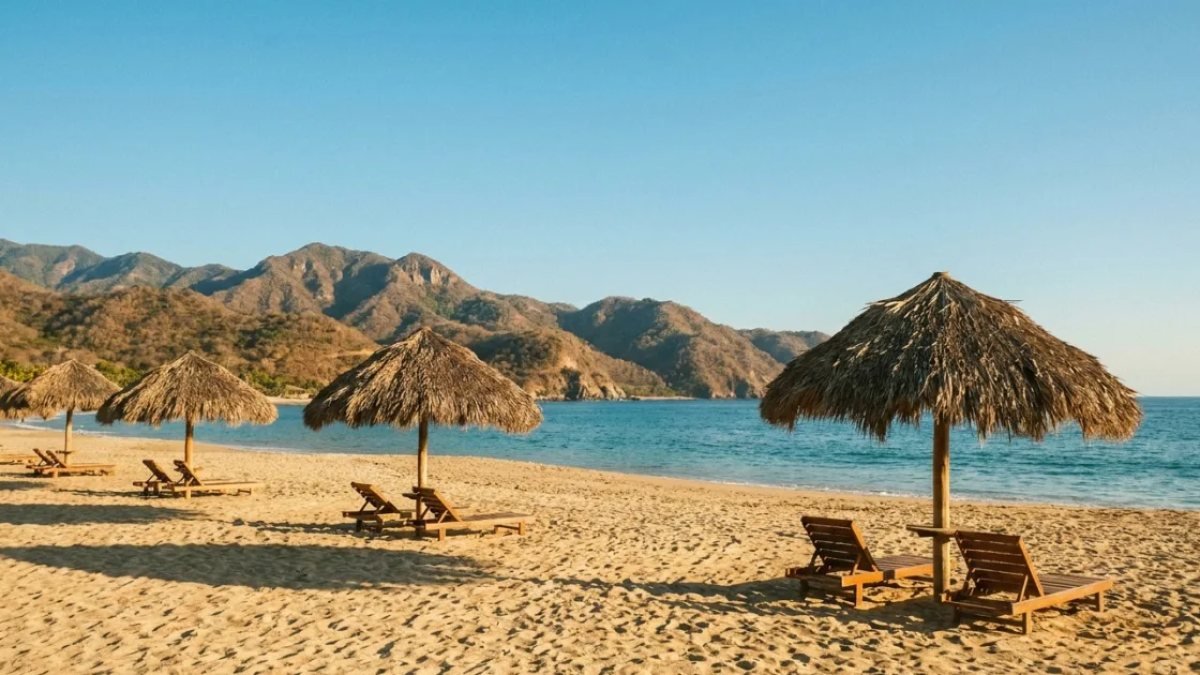
- In high season, the long open beaches of Nuevo Vallarta and Flamingos are at their best: calm water, no rain, and enough space that even a full resort does not feel packed.
- In the wind of February and March, hillside and cove properties on the South Shore are more sheltered than the exposed north-end beaches.
- In the rainy season, a resort with covered space and good indoor restaurants earns its keep. A property whose entire dining offer is open-palapa is a different experience in an August storm.
- In low season, adults-only properties are noticeably quieter and the value gap between mid-range and luxury narrows sharply — it is the time of year to look one tier up than you normally would.
Our zone-by-zone directory lays out which properties sit where, and which sell the meal plan as an optional add-on — worth knowing in low season, when restaurant prices in town drop too.
Booking timing
- Christmas, New Year and Easter: six to nine months ahead for anything specific.
- January to March: three to six months.
- April, May, November: one to three months is usually comfortable.
- June to October: weeks, and last-minute rates are frequently the best of the year.
Things that are true all year
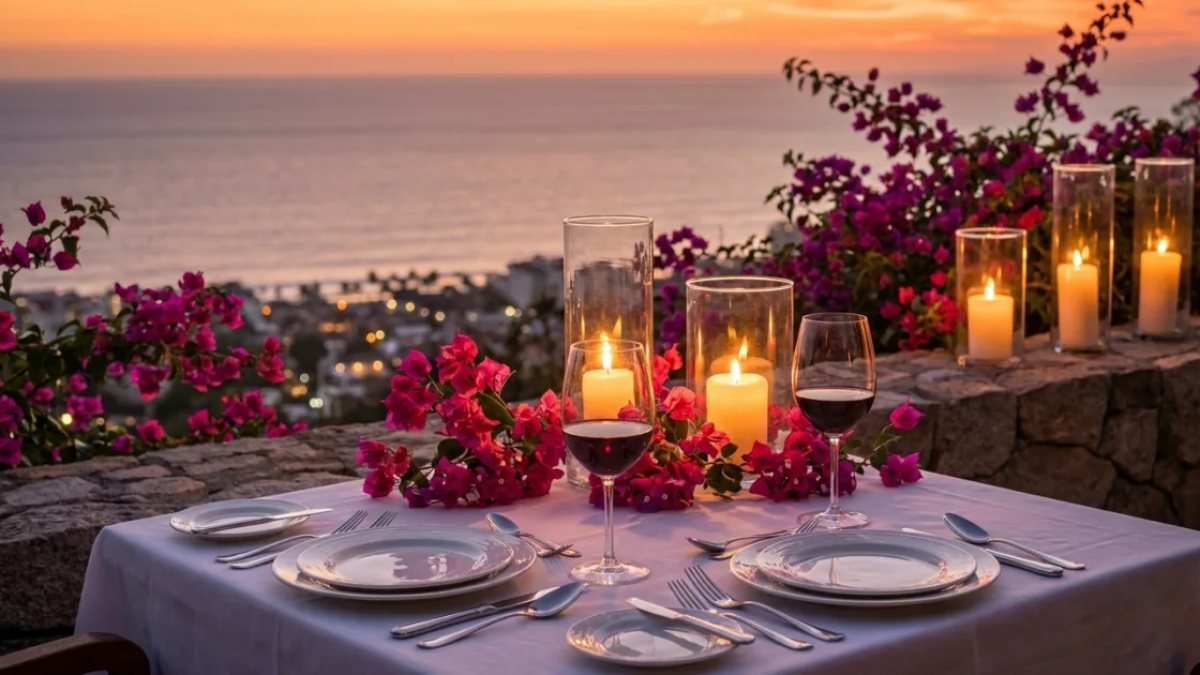
- Sunset moves from about 6pm in December to about 8pm in June — every dinner reservation should be built around it.
- The sun here is strong in every month, including cloudy ones in August.
- Nayarit and Jalisco run on the same clock, despite what older guidebooks say.
- The bay is calm in the morning and choppy after 1pm, more or less regardless of season. Book boats early.
For a wider view of the destination beyond the resorts, Visita Vallarta and Puerto Vallarta Website cover the city, the beaches and the events calendar in more detail.
Frequently asked questions
What is the best month to visit Puerto Vallarta?
November for the combination of dry weather, green landscape and rates that have not fully climbed. February if the priority is perfect weather and whales, and budget is not the constraint.
What is the cheapest time to visit?
September, followed by August and early October. You are trading rain and humidity for rates that can be half of high season.
Does it rain all day in the rainy season?
Rarely. The pattern is sunny mornings and heavy late-afternoon or overnight storms. You can have a very good beach holiday in July if you plan the outdoor part of the day for the morning.
Is hurricane season a real risk?
The season runs June to November and peaks in September. Direct strikes on Banderas Bay are uncommon because of the bay's shape and the mountains behind it, but tropical storms affect the coast most years. Travel insurance is sensible in those months.
When are the whales in Puerto Vallarta?
Roughly mid-December to late March, with January and February the most reliable. Tours are regulated with legal minimum approach distances.
Is the sea warm enough to swim in winter?
Yes — around 22–24°C in February and March. It feels brisk on entry and fine after a minute. Divers will want a thicker suit in those months.
When is Semana Santa and does it matter?
Easter week, which moves each year. It is the busiest domestic travel week in Mexico: beaches full, resorts booked, and a genuinely festive atmosphere. Wonderful if you want it, a shock if you were expecting a quiet April beach.